Solo Rust survival versus zerg clan dominance and why the lone player wins on efficiency
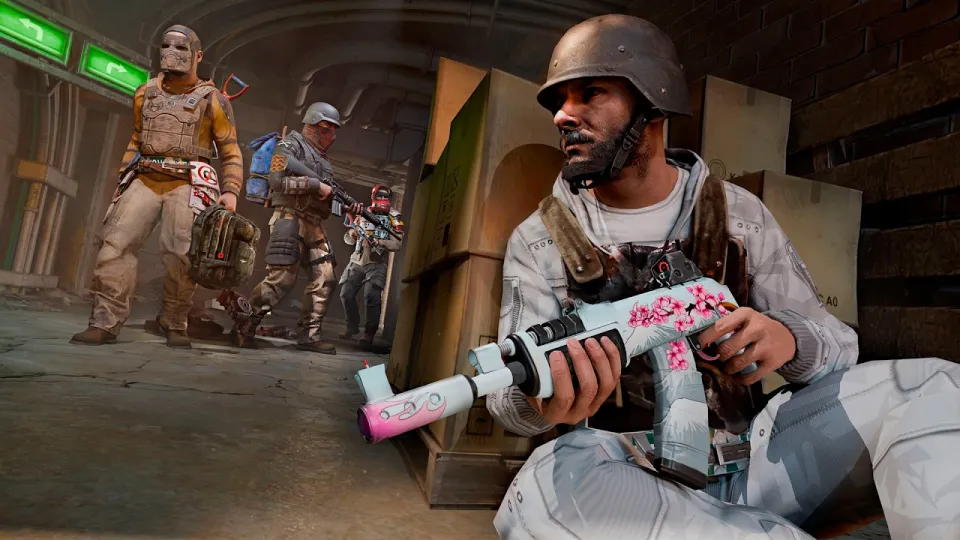
Video: THE SOLO MENACE – Rust
You can order the same kind of articles for your own video to boost it on YouTube and Google. Just message the Telegram bot @sat_sit_bot. Articles with your video embedded are written and posted by the bot itself — on popular topical sites (no ads). Try it free: 50 articles on us.
Key takeaways
- Solo Rust trades raw numbers for efficiency: one player farms, builds and fights with no split of loot or upkeep.
- SPiiCY's solo run covers wipe-day progression, a revenge raid and a base defence in a single session.
- A solo base relies on compact design, honeycomb and traps rather than the walls and turrets a clan can fund.
- A zerg can field 8+ players, but every extra member adds upkeep, coordination cost and loot to lose.
- The featured base design and more are documented through SPiiCY's Patreon membership.
Solo Rust is the better option for players who value efficiency over raw numbers: one player keeps every scrap of loot, builds a compact base that costs little upkeep and moves without waiting on anyone. A clan or zerg wins fights through sheer headcount, but that advantage comes with split profits, higher upkeep and coordination costs that a lone player never pays. The trade-off is simple — the zerg wins the open field, the solo player wins the economy — and that gap is exactly what makes a single player such a menace on a busy server. Players who want to push their own solo runs further can grab the RustEasy bonus and tools through SPiiCY's link before heading into wipe day.
Why solo Rust beats zerg gameplay on efficiency
A solo player converts every minute of farming directly into personal power, while a clan splits the same output across many mouths. On a high-population server the difference shows up fast: one player who knows the monument routes can hit a full kit and a starter base while a zerg is still arguing over who gets the first set of gear. Numbers matter in a straight fight, but Rust is a game of snowballs, and a solo snowball rolls faster because nothing is divided.
The other side of the ledger is risk. A clan stores everything in one big base, which makes it a target worth raiding; a solo player spreads value across small stashes, hidden boxes and a base that looks poor from the outside. When a raid does land, the loss is measured in one player's loot instead of a group's entire wipe. That asymmetry is the core of solo play: you are not trying to out-fight the zerg, you are trying to be a worse return on investment than the next base down the road.
Wipe-day progression for a lone player
Wipe day is where a solo run is won or lost, and the first hour sets the tone for the whole wipe. The priority order that works is consistent: a sleeping bag near a monument, a small starter base on a low-traffic grid, then tools before weapons. A solo player who tries to contest the same launch site or oil rig as a clan on day one usually feeds a kit and loses tempo; the smarter route is the quieter monument and the scrap run nobody else bothers with.
Progression benchmarks for a solo wipe look roughly like this:
- First 20–30 minutes: bags down, stone tools, a 1x1 or 2x1 starter with a door and a lock.
- First hour: workbench level one, a furnace running, and a reliable scrap route mapped out.
- First session: workbench level two, a proper compact base with honeycomb, and enough components for a gun and ammunition.
- End of day one: garage doors, an airlock, and a stash of raid-relevant explosives or the materials to trade for them.
Efficiency beats speed here. A solo player who reaches workbench level two with a defensible base on day one is ahead of most of the server, regardless of how many kills a zerg posted in the first hours.
Base design that keeps a solo player alive
A solo base has to be cheap to upkeep and expensive to raid, which means compact footprints, layered walls and deliberate misdirection rather than size. The classic approach is a small core wrapped in honeycomb, with the loot room placed away from the most obvious breach point and a second, decoy entrance that costs a raider more explosives than the real path. Every extra square metre of foundation is upkeep you pay every day, so a tight build is not just cheaper — it is sustainable across a long wipe.
Traps do the work a teammate would otherwise do. Shotgun traps behind blind corners, a flame turret covering the only doorway, and a drop-down loot room that forces a raider to bring more explosives all multiply the cost of a raid without requiring a second player online. The base shown in SPiiCY's solo run follows that philosophy: it looks manageable from outside and turns into a grind the moment someone commits to the breach. Viewers regularly ask for the full build, and the detailed base design tutorials are published through the SPiiCY Patreon membership.
Revenge raids and raid defence as a solo player
Revenge is a solo player's best force multiplier because it turns someone else's investment into your loot. When a raid lands and the base is lost, the correct response is not to rebuild in the same spot and hope — it is to identify the raiders, track where they came from, and hit them while their own base is open, their boom is spent and their attention is elsewhere. A solo player who counter-raids at the right moment can walk away with more than was taken.
Raid defence works the same way in reverse. A small base with a single entrance funnels attackers into a predictable path, and the defender who knows the layout can hold a doorway with a shotgun far longer than the numbers suggest. The key rules are: keep a spare kit stashed outside the base, keep the front door cheap to replace, and never fight in the open against multiple attackers when a corner and a trap will do the job instead.
Typical questions from solo players
Solo players tend to run into the same doubts, and most of them come down to expectation management rather than mechanics. The most common is whether solo is viable at all on a 600-population server — it is, but not by fighting every roam you see; the solo player who picks fights deliberately and avoids the ones with no upside progresses faster than the one who takes every engagement. The second is base size: bigger feels safer but drains upkeep and attracts bigger raids, so a compact design with layered defence is almost always the better call. The third is progression speed, and the honest answer is that a solo player should measure progress in workbench tiers and raid readiness, not in kill counts.
Tools and links from the run
Everything referenced around this solo run is collected in one place:
- RustEasy bonus and site access: https://rseasy.com/spiicy
- Base design tutorials and membership: https://www.patreon.com/c/spiicyrust/membership
- Second Patreon join link: https://www.patreon.com/join/spiicyrust
- Hypertune for higher FPS: https://hptn.gg/spiicy
- Community Discord: http://discord.gg/HZjW3RYMGA
The verdict on going solo in Rust
Solo Rust rewards patience and planning more than raw aim, and that is why a single player can out-earn a clan across a full wipe. The efficient solo route — quiet monuments, a compact honeycombed base, traps instead of teammates and revenge raids timed to the minute — turns a numerical disadvantage into an economic advantage. SPiiCY's solo breakdown shows the whole arc in one session, from wipe-day progression to a revenge raid and a base defence, and it is a solid template for anyone tired of splitting loot with a group. If you want to run the same playbook, start with the RustEasy registration through SPiiCY's link and build the compact base before you build the big one.
Source: THE SOLO MENACE – Rust · Markdown version
Questions & answers
Is solo Rust actually viable on a high-population server?
Yes, but only if you stop treating every roam as a fight you have to take. Solo players progress by farming efficiently, picking monuments with low traffic and choosing engagements with a clear loot upside. On a busy server the lone player who avoids pointless fights usually reaches workbench level two faster than a clan member who spends the evening in roam fights.
How big should a solo base be in Rust?
Small enough that upkeep stays trivial and layered enough that raiding it costs more than it returns. A compact core with honeycomb, a single funnel entrance and a couple of traps is the standard. Extra foundations and unused rooms only add daily upkeep and make the base look worth raiding.
What is the fastest way to recover after being raided as a solo player?
Do not rebuild in the same place immediately. Identify who raided you, check whether their base is open or their explosives are spent, and counter-raid while they are vulnerable. Keep a spare kit and some materials stashed away from the main base so a single raid never ends your wipe.
Do I need a group to defend a base in Rust?
No — base layout does most of the defensive work. A single entrance, blind corners with shotgun traps and a turret covering the doorway let one defender hold off several attackers. Knowing your own layout better than the raiders do is worth more than an extra pair of hands.